
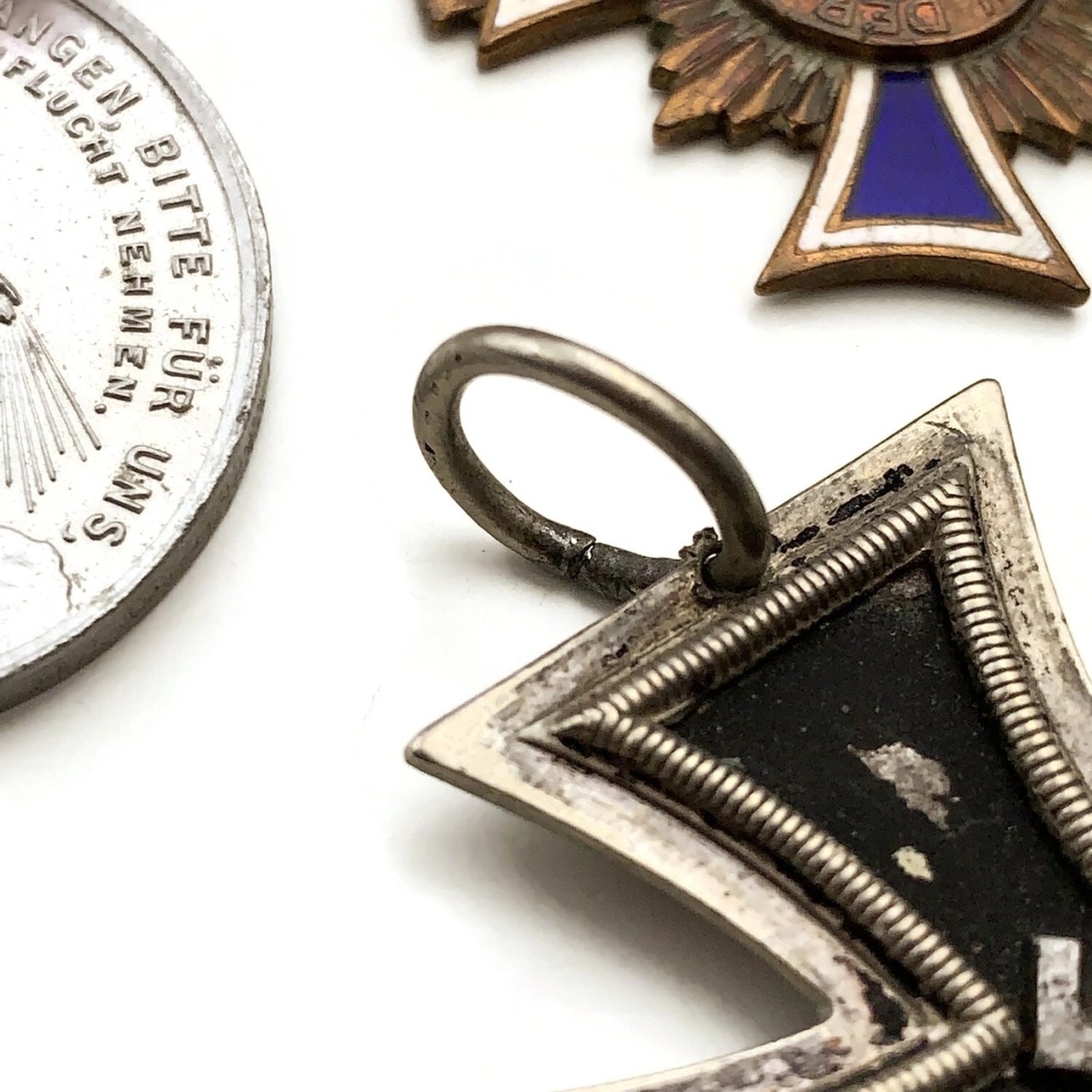

THE IRON CROSS HAS A REPLACEMENT HOOP.
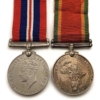
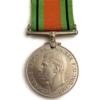
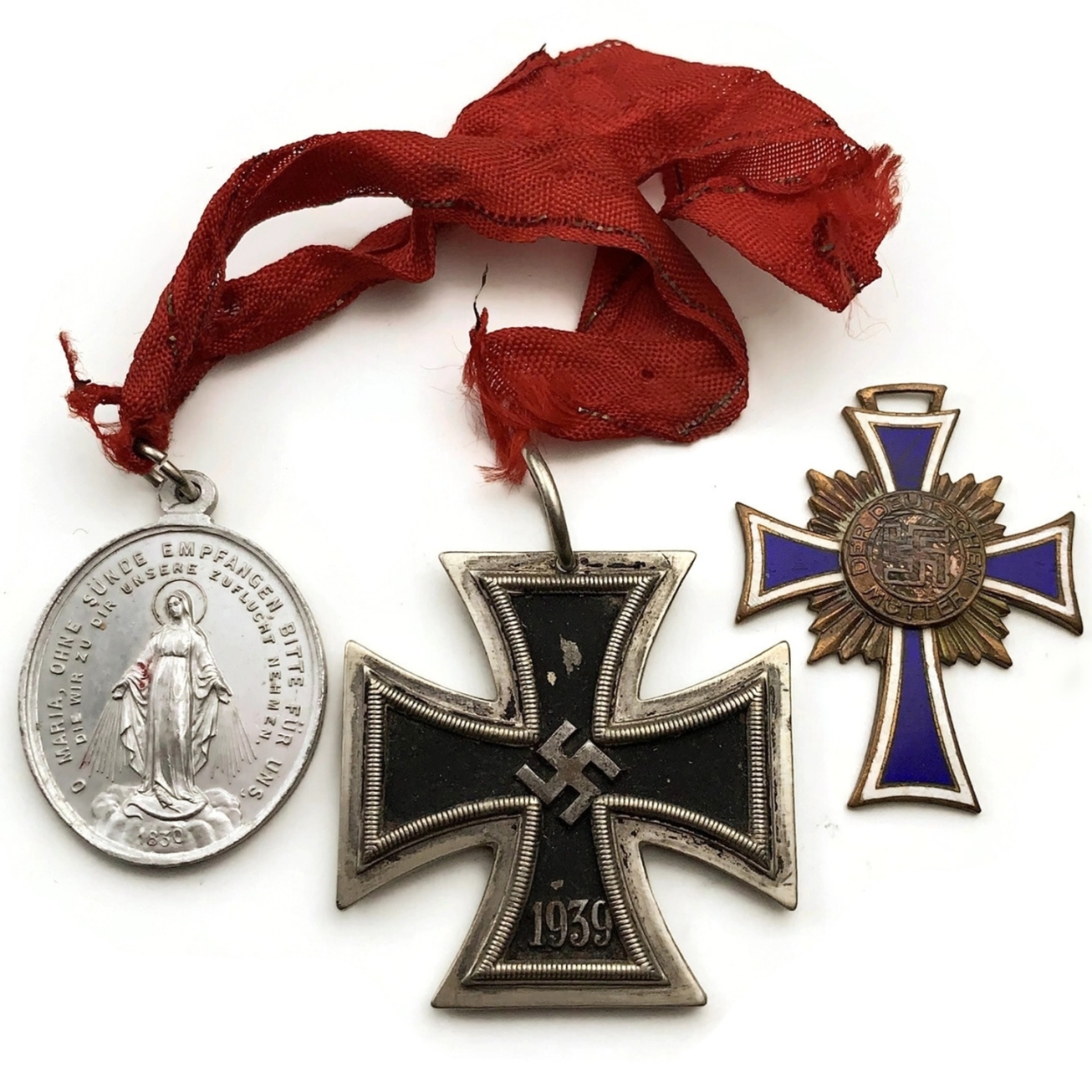
These 3 German medals were brought back from Europe after WW2 as souvenirs and trophies of war by a British officer: Major W. L. Steer of the Royal Pioneer Corps. These were purchased along with his British medals direct from the family.
The Iron cross has lost it’s original hoop suspender and has had a hole drilled into it and a replacement added. I think this would have been done by the original German recipient of the medal, who presumably during the war when it broke, still wished to wear it and made a replacement fixing. I doubt Major Steer would have been bothered to add one given it was just a souvenir with no need to wear it.
PLEASE NOTE: This is being sold as an historical item only and does not represent any political views. Guaranteed original. Complete & intact. This is an original WW2 1939 German IronMedal Cross, 2nd Class II for sale. In good condition. Please see our other items for more original WW1, WW2 & post war German military cap badges for sale including other 3rd Reich Badges.
For more original German, NAZI & Third Reich badges for sale, click here. The German Army (German: Heer) was the land forces component of the Wehrmacht, the regular German Armed Forces, from 1935 until it was demobilized and later dissolved in August 1946. Though often erroneously restricted to the ground forces, the Wehrmacht also included the Kriegsmarine (Navy) and the Luftwaffe (Air Force). During World War II, a total of about 13 million soldiers served in the German Army. Most army personnel were conscripted. Only 17 months after Adolf Hitler announced publicly the rearmament program, the Army reached its projected goal of 36 divisions. During the autumn of 1937, two more corps were formed. In 1938, four additional corps were formed with the inclusion of the five divisions of the Austrian Army after the Anschluss in March. During the period of its expansion by Adolf Hitler, the German Army continued to develop concepts pioneered during World War I, combining ground (Heer) and air (Luftwaffe) assets into combined arms teams. Coupled with operational and tactical methods such as encirclements and the “battle of annihilation”, the German military managed quick victories in the two initial years of World War II, prompting the use of the word Blitzkrieg (literally lightning war, meaning lightning-fast war) for the techniques used. The Nazi German Army entered the war with a majority of its infantry formations relying on horse-drawn transport. The infantry remained foot soldiers throughout the war; artillery also remained primarily horse-drawn. The motorized formations received much attention in the world press in the opening years of the war, and were cited as the main reason for the success of the German invasions of Poland (September 1939), Norway and Denmark (April 1940), Belgium, France and Netherlands (May 1940), Yugoslavia (April 1941) and Operation Barbarossa, the invasion of the Soviet Union (June 1941). However their motorized and tank formations accounted for only 20% of the Heer’s capacity at their peak strength. The army’s lack of trucks (and petroleum to run them) was a severe handicap to infantry movement especially during and after the Normandy invasion when Allied air power devastated the French rail network north of the Loire. Panzer movements also depended upon rail: driving a tank over 150 kilometers wore out its tracks. Please see our other items for more original WW1, WW2 & post war German military badges for sale including other Germany cap badges.